
Jewellery has always been more than just an adornment: it’s a language of identity, an expression of culture, and a subtle way to enhance style. Whether it’s a casual lunch, a business meeting, or a festive evening, the right piece of jewellery can transform any look. In this blog, we explore the world of jewellery with practical tips, material information, and style recommendations, focusing on pendants, earrings, and gold-plated jewellery, without turning it into brand advertising.
Jewellery has always been more than just an adornment: it’s a language of identity, an expression of culture, and a subtle way to enhance style. Whether it’s a casual lunch, a business meeting, or a festive evening, the right piece of jewellery can transform any look. In this blog, we explore the world of jewellery with practical tips, information on materials, and style recommendations, focusing on items such as women’s pendants, earrings, and gold-plated jewellery, without turning it into brand advertising.
1. Why Jewellery Remains Important
In the age of minimalism and capsule wardrobes, accessories might seem unnecessary. However, the right jewellery can:
- Complete an outfit: A simple dress can gain personality with a pendant or a pair of earrings.
- Reflect personality: Bold designs convey confidence; delicate pieces enhance sophistication.
- Serve as heirlooms or mementoes: Many people inherit jewellery, and the sentimental value often outweighs its market value.
- Enhance proportions: Vertical pendants visually lengthen the torso; long earrings draw attention to the face.
Therefore, even in a minimalist wardrobe, jewellery remains a powerful tool in a stylist’s arsenal.
2. Choosing a Pendant for Women: What to Consider
A pendant (or the centrepiece of a necklace) is often the main adornment of a woman’s neckline. But choosing the right pendant goes beyond “what looks good.” Here are the key factors:
a) Length and Size
Choker/Collar (30-40 cm): High on the neck, looks excellent with boat necklines or off-the-shoulder tops.
Princess/Standard Length (45-50 cm): The most versatile Length; sits just below the collarbone.
Long/Matinee Length (55-70 cm+): Creates a striking look, especially over high necklines or when layered with other jewellery.
Size: A small pendant is suitable for women with a petite build, while larger or teardrop-shaped pendants will better complement a larger bust or longer torso.
b) Shape and Style
Solitaire/Single Stone: Clean and classic.
Motif/Cluster: Floral motifs, stars, and geometric shapes add personality. Versatile pendants: Some come with detachable chains or can be combined with other jewellery.
c) Metal and Finish Compatibility
The metal of your pendant should complement the other jewellery you wear. If your rings or bracelets are silver, a cool-toned metal or rhodium plating is best. If they have a warm tone (rose gold, yellow gold), choose a matching option. This harmony will prevent a mismatched look.
d) Occasion and Style
Daytime/Casual: A subtle pendant (a small charm, a minimalist bar, or a geometric design) is ideal.
Office/Meeting: Choose a moderate length and simple designs to avoid distractions.
Evening/Formal: This is your chance to elevate your look with crystals, enamel, or a striking motif. Remember: a well-chosen pendant doesn’t compete with your outfit, but complements it.
2. Choosing a Pendant for Women: What to Consider
A pendant (or the centrepiece of a necklace) is often the focal point of a woman’s neckline. But choosing the right pendant isn’t just about “what looks good.” Here are the key factors:
a) Length and Size
- Choker (30-40 cm): Fits snugly around the neck and looks excellent with boat necklines or off-the-shoulder tops.
- Standard Length (45-50 cm): The most versatile Length; sits just below the collarbone.
- Long Necklace (55-70 cm or more): Creates a striking look, especially with high necklines or when layered with other jewellery.
- Size: A small pendant will suit women with a petite figure, while larger or teardrop-shaped pendants will better complement a larger bust or longer torso.
b) Shape and Style
- Solitaire/Single Stone: A classic and straightforward option.
- Motif/Cluster: Floral motifs, stars, and geometric shapes add personality.
- Versatile pendants: Some have detachable chains or can be combined with other jewellery.
c) Metal and Finish Compatibility
The metal of your pendant should complement the other jewellery you wear. If your rings or bracelets are silver, a cool-toned metal or rhodium plating is best. If they have a warm tone (rose gold, yellow gold), choose a matching option. This harmony will prevent them from clashing.
d) Occasion and Style
- Casual/Daytime: A delicate pendant (a small charm, a minimalist bar, or a geometric design) is ideal.
- Office/Business Meeting: Choose a moderate length and simple designs to avoid distractions.
- Evening/Formal: This is your chance to elevate your look with crystals, enamel, or a striking motif. Remember: a well-chosen pendant doesn’t compete with your outfit; it complements it.
4. Understanding Gold-Plated Jewellery: Advantages, Care, and Disadvantages
Gold-plated jewellery falls somewhere between affordable costume jewellery and expensive solid-gold pieces. Let’s take a closer look:
a) What does “gold-plated” mean?
Gold plating involves applying a thin layer of gold (often 0.5 to 5 microns thick) to a base metal (such as brass, Cu, or silver). This creates a gold-like appearance and significantly reduces the cost. Due to its thinness, careful handling is required.
b) Advantages
- Affordability: You get the look of gold without the high price tag.
- Variety: Designers can experiment with finishes, colours, and shapes at a lower cost.
- Trends: Since styles change frequently, plating allows jewellery collections to be updated at an affordable price.
c) Limitations and points to consider
- Wear and tear over time: With regular use, the plating can wear off, especially in areas of frequent contact. Allergies: People sensitive to common metals, such as nickel, should ensure the base metal is hypoallergenic.
- Differences in plating quality: Thicker plating (such as gold vermeil) is more durable and worth the investment.
d) Care tips for maximum durability
Avoid moisture, sweat, and chemicals such as perfumes or lotions. Store each piece separately in dry pouches, gently clean them after use, and, if possible, avoid daily wear. With simple care, even delicate plating can last a long time.
5. Combinations: Styling Ideas and Pairings
Idea 1: Minimalist Elegance for the Office
- A delicate women’s pendant with a small dangling or band-style element.
- Pair it with understated earrings, such as stud or hoop earrings.
- Opt for gold-plated jewellery in neutral tones to complement a formal look.
Idea 2: Casual Daytime Style
A long pendant to wear over cotton blouses, paired with hoop earrings or delicate drop earrings. Gold-plated jewellery shines in the daylight, adding warmth to casual denim or linen outfits.
Idea 3: Festive Evenings
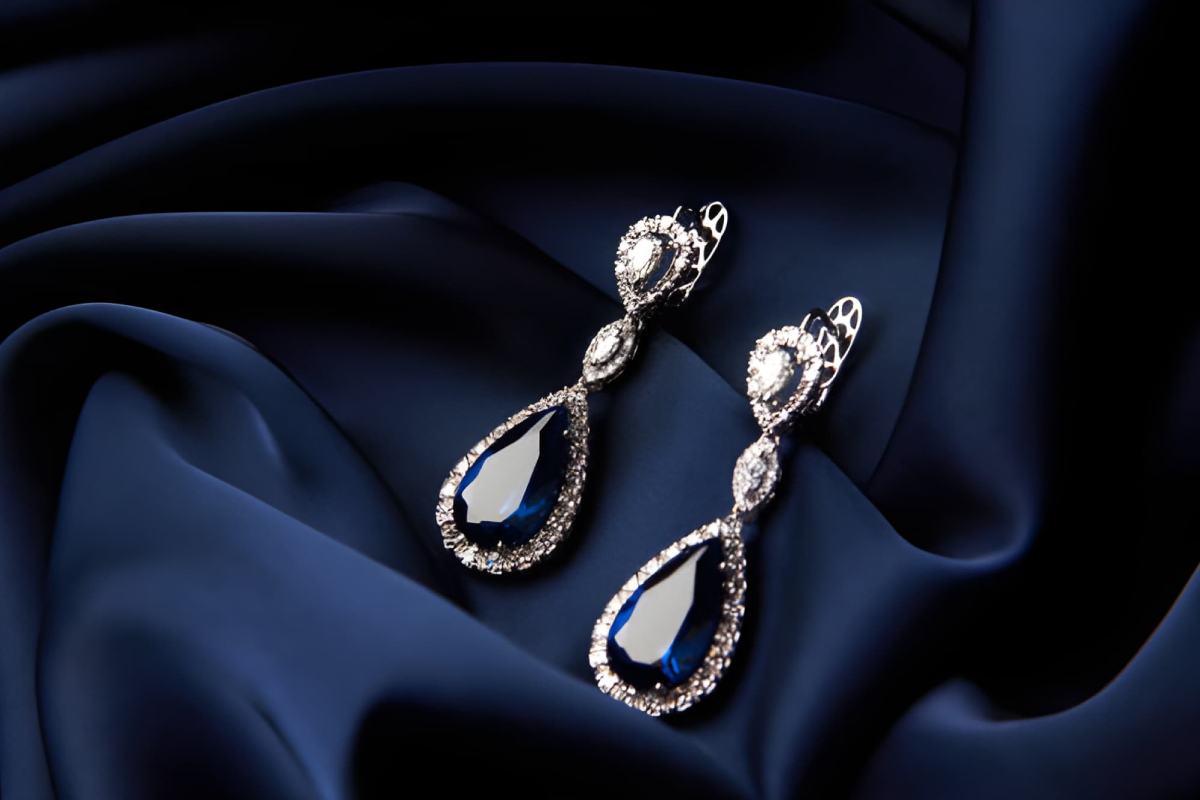
Choose a statement pendant paired with delicate chandelier earrings. Opt for gold-plated jewellery adorned with decorative elements, or that combines different textures: they create the gleam of gold without overwhelming the look.
Idea 4: Mixing Metals with Meaning
Combine silver and gold jewellery with two-tone pendants or earrings that feature both metals. The key is balance: one dominant metal and an accent tone create a modern look.
6. Smart Shopping: What to Look for When Choosing Jewellery
When buying pendants, earrings, or gold-plated jewellery, pay attention to key factors such as durability, finish quality, and comfort. Always check the quality of the clasp and closure—these small details determine how long your jewellery will last. The base metal is also essential; sterling silver or brass with a high-quality plated finish will last longer than cheaper alloys. Consider the thickness of the plating (gold vermeil is best) and make sure the design looks balanced and lightweight. As trends change, invest in classic shapes that complement your wardrobe. Finally, look for retailers that clearly state the metal composition and offer simple care instructions. These small checks will help you buy jewellery that looks beautiful and stays that way for a long time.
7. Jewellery Trends for 2025
- Sustainable metals and plating materials made from recycled materials are trending. Pendants with initials and zodiac signs personalise your collection.
- Layered necklaces and earring sets are replacing chunky jewellery.
- Matte and textured surfaces are popular for both minimalist and festive looks.
- Modern heirloom jewellery—jewellery designed to last, both emotionally and stylistically—is gaining popularity.
Final Reflections
In a symphony of style, jewellery is the final note: the detail that brings everything together. Whether you prefer the sophistication of a women’s pendant, the expressive charm of earrings, or the accessible elegance of gold-plated jewellery, the key to success lies in balance and attention to detail. Choose carefully, care for it meticulously, and wear it with confidence, because the right piece doesn’t just adorn you; it tells your story.