

Exfoliation is an essential step in any skincare regimen, but it can seem overwhelming for beginners. However, by following a simple 5-step process, you can achieve smoother, healthier-looking skin.
In this article, we’ll address the common concern of potential skin irritation and provide expert tips on exfoliating well and safely. By understanding your skin type, choosing the accurate exfoliant, and following a routine, you can reap all the benefits of exfoliation without worry.
Understand Your Skin Type:
One of the first steps in an effective skincare routine is defining your skin type, as this is crucial for choosing products and treatments that deliver optimal results. Many people have misconceptions about their skin type, which can lead to the use of unsuitable products and to the exacerbation of skin problems. Expressing your skin type allows you to tailor your skincare regimen to your specific needs and achieve healthy, radiant skin.
Understanding your skin type has several benefits. First, it lets you choose products specifically designed for your skin’s needs. For illustration, if you have oily skin, using oil-free moisturisers and cleansers will help control excess sebum production. Second, understanding your skin type enables you to identify signs of improvement. Significantly, if your skin is prone to redness, frustration, or breakouts, avoid irritating ingredients and choose gentle harvests that won’t trigger adverse responses.
Determining your skin type at home is somewhat easy. Start by washing your face with a tender cleanser, then pat it dry. Leave your skin makeup-free for about an hour to allow it to return to its natural state. Then, scrutinise your skin. If your skin looks glistening and feels oily to the soupçon, you likely have oily skin. Dry skin, on the other hand, feels dry, dull, flaky, and tight. Mishmash skin is characterised by an oily T-zone (forehead, nose, and chin) and dry cheeks. Finally, normal skin looks well-adjusted and healthy.
Understanding the prominence of pH balance is also crucial in determining your skin type. Your skin’s pH level affects its overall health and function. The ordinary pH of the skin is slightly acidic, classically between 4.5 and 5.5. Using pH-balancing skincare products can help maintain your skin’s optimal pH, promoting a healthy complexion and protecting against bacteria and environmental damage.
Choose the Right Exfoliant:
When choosing the right exfoliant, ponder your skin type and any precise concerns, such as acne or sensitivity. There are different methods of exfoliation, including chemical and physical exfoliants. Biological exfoliants use ingredients like alpha hydroxy acids (AHAs) or beta hydroxy acids (BHAs) to gently liquefy dead skin cells, while physical exfoliants involve mechanically scrubbing the skin with granules or brushes.
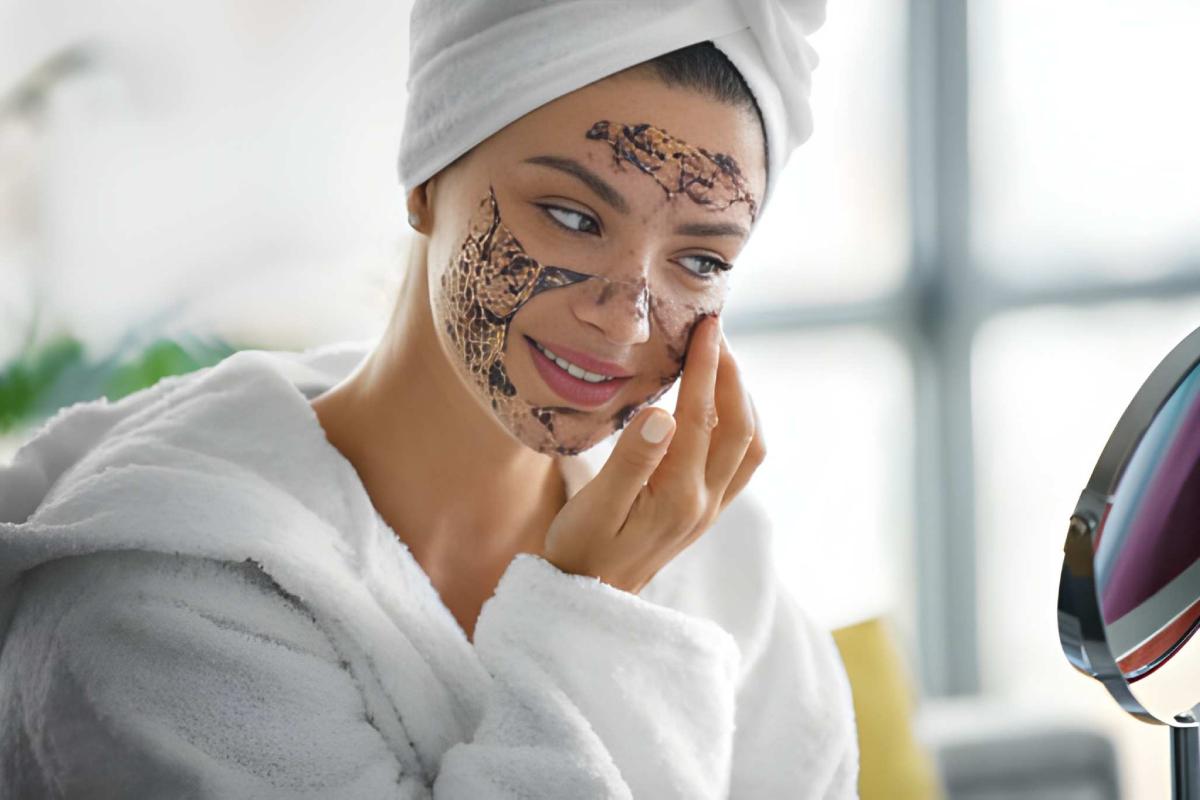
For those who prefer a more natural option, there are also natural exfoliants such as oatmeal, sugar, or coffee grounds. These natural ingredients provide gentle exfoliation and are often less irritating to the skin than harsher chemical or corporeal exfoliants.
In addition to picking the right exfoliant, using the right exfoliating tools can enhance the effectiveness of the process. Tools like facial brushes or exfoliating gloves help remove dead skin cells more effectively and improve circulation.
Regular exfoliation provides numerous benefits for the skin. It helps unclog pores, reduce acne breakouts, and promote a smoother, more even complexion. Exfoliation also improves the absorption of skincare foods, allowing them to infiltrate more deeply and work more effectively. Moreover, regular exfoliation can stimulate collagen production, resulting in firmer, younger-looking skin.
Patch Test:
To confirm compatibility with your skin, it’s essential to perform a patch test before smearing a new exfoliant on your face. A patch test is a simple process that helps identify possible allergic reactions or skin sensitivities. It’s an imperative step in any skincare routine, as it helps prevent annoying reactions and ensures the best results.
The benefits of a patch test are numerous. By applying a small amount of the exfoliant to a small area of skin, you can determine if it causes any hostile reactions, such as redness, irritation, or itching. This is especially important for people with sensitive skin or known allergies. The patch test helps you identify potential problems before applying the product to your perfect face, reducing the risk of an adverse reaction.
To complete a patch test, select a small, unremarkable area of skin, such as the internal forearm or behind the ear. Apply a small expanse of the exfoliant and leave it on for at least 24 hours. During this time, monitor the area for any signs of a rejoinder, such as redness, swelling, or itching. If no contrary reactions occur, the exfoliant is suitable for your skin.
It’s important to remember that each skin type can react differently to exfoliants. Patch testing lets you assess how your specific skin type—whether dry, oily, or sensitive—responds to the product. This information helps determine the appropriate frequency and intensity of exfoliation for your skin.
Start Slowly:
It’s highly recommended to gradually incorporate exfoliation into your skincare routine, as this allows your skin to adapt and minimises the risk of irritation or adverse reactions. When it comes to exfoliation, it’s essential to start slowly and gradually build your skin’s tolerance. Gentle exfoliation is key to avoiding damage to the skin’s delicate protective barrier and preventing inflammation.
To begin your exfoliation process, start with a gentle exfoliation once a week. Look for products that contain mild ingredients such as fruit enzymes or essential hydroxy acids (AHAs), like glycolic or lactic acid. These ingredients break down the bonds amongst dead skin cells, revealing a slicker, more radiant complexion.
As your skin becomes adapted to exfoliation, you can gradually increase the regularity to twice a week. Remember that patience and steadiness are key to success in this process. It may take several weeks for your skin to adapt and achieve the desired results fully.
However, it’s crucial to avoid over-exfoliating. Undue exfoliation can strip the skin of its natural oils, which are essential for upholding moisture and avoiding dryness, redness, and even breakouts. Pay attention to how your skin reacts and adjust your skincare routine accordingly. If you notice any signs of frustration or sensitivity, reduce exfoliation frequency or use a gentler exfoliant.
Follow a Routine:
How can a regular skincare routine improve the effectiveness of exfoliation? Consistent exfoliation offers frequent benefits for the skin, such as eradicating dead skin cells, unclogging pores, improving texture, and providing a healthy glow. However, to maximise its effectiveness, it’s essential to incorporate exfoliation into your skincare routine.
A common mistake to avoid when exfoliating is over-exfoliation. Exfoliating too often or using unforgiving products can strip the skin of its expected oils, which are essential for moisture and protection against dryness and irritation. It’s endorsed to exfoliate 1-2 times per week, depending on your skin type and sensitivity.
To join exfoliation into your skincare routine, start by emulsifying your face with a gentle cleanser to remove makeup, dirt, and excess oil. Then, apply an exfoliator or use a homemade scrub recipe suitable for your skin type. Those who prefer natural remedies can try recipes with ingredients like oatmeal, sugar, or coffee grounds.
After exfoliating, it’s crucial to moisturise your skin to replenish lost moisture and prevent dryness. Cherry-pick a moisturiser appropriate for your skin type and apply it generously. This step will help maintain hydration and protect your skin from potential irritation.